Research / Index
Field sites
 01
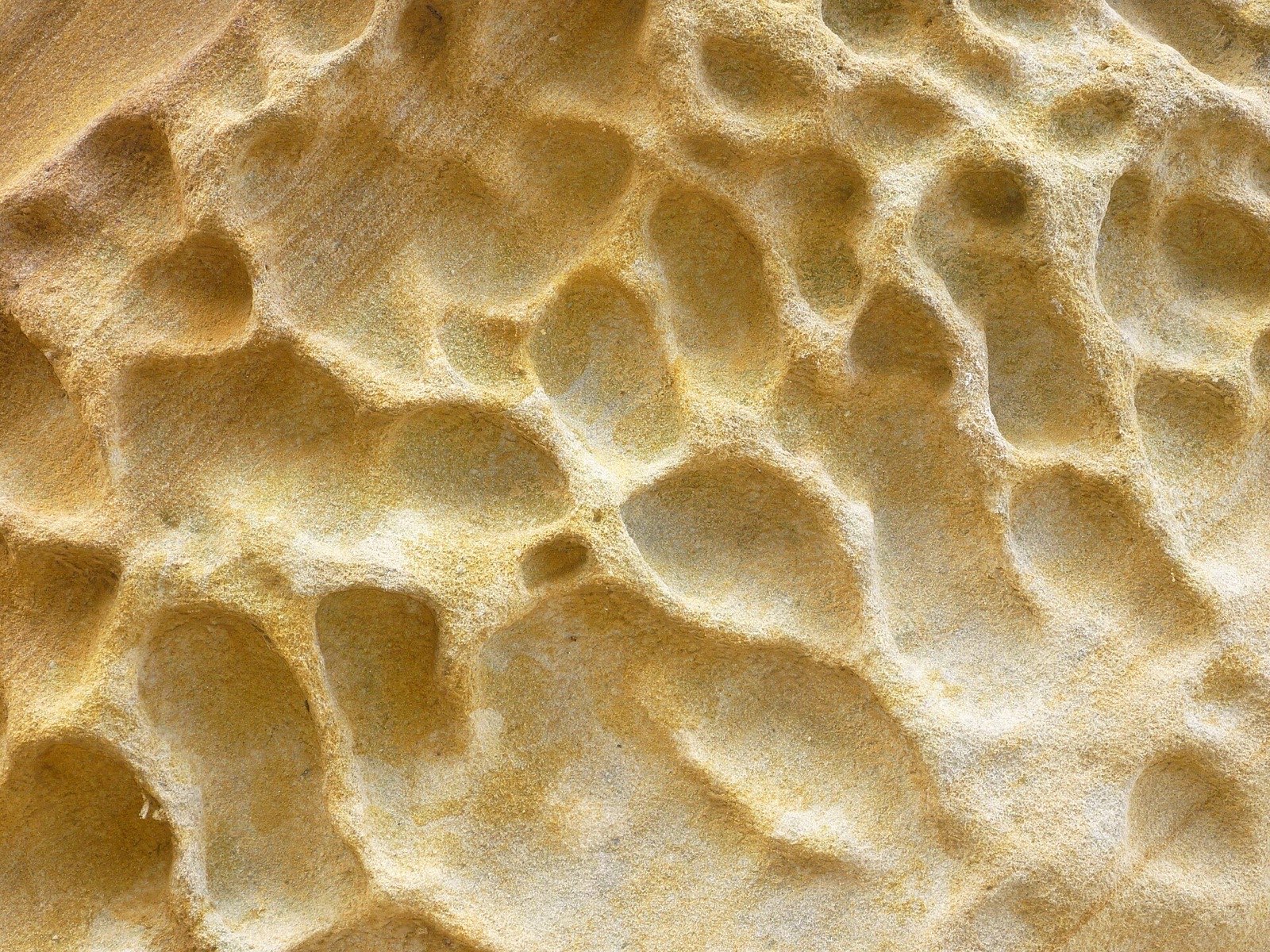
Tafoni
The honeycomb coast
Hawkesbury Sandstone
Middle Triassic · ~240 Ma
 02
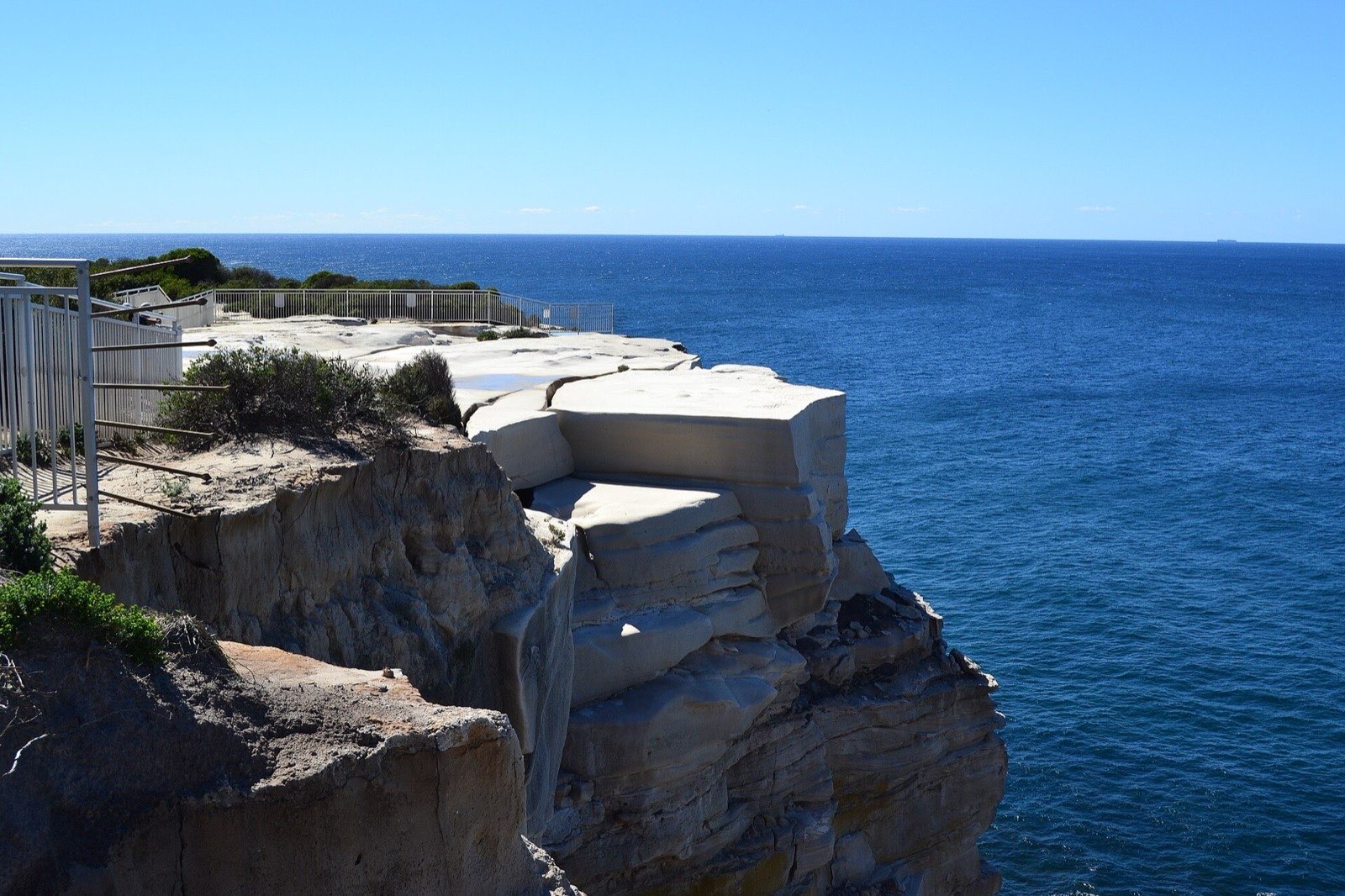
Honeycomb Lace
Wedding Cake Rock and the white cliffs
Hawkesbury Sandstone
Middle Triassic · ~240 Ma
 03
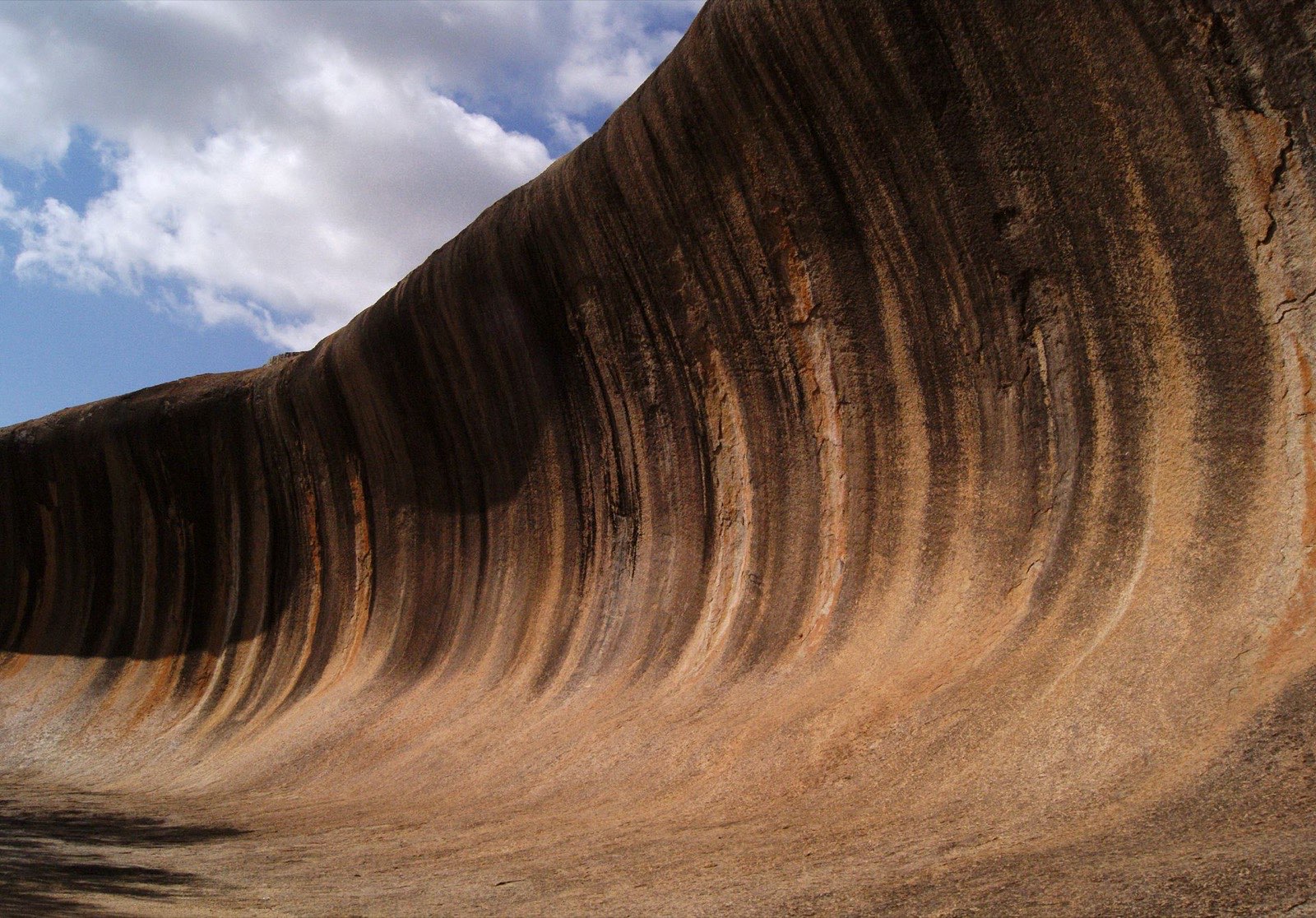
Wave Rock
A granite breaker, frozen mid-curl
Porphyritic monzogranite
Archaean · 2.63 Ga
 04
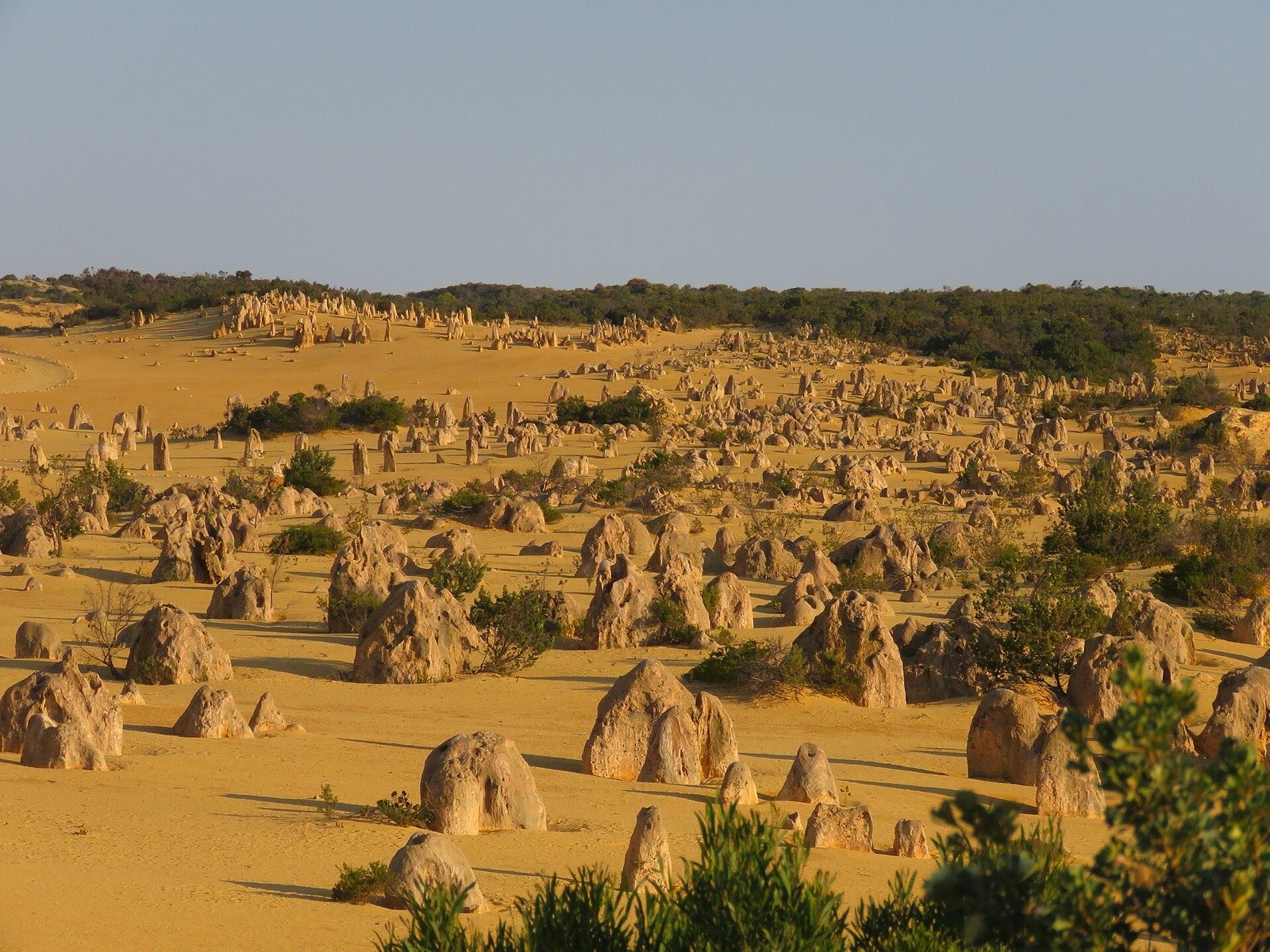
The Pinnacles
A forest of limestone, dated
Tamala Limestone
Pleistocene · formed ≈ 102 ka
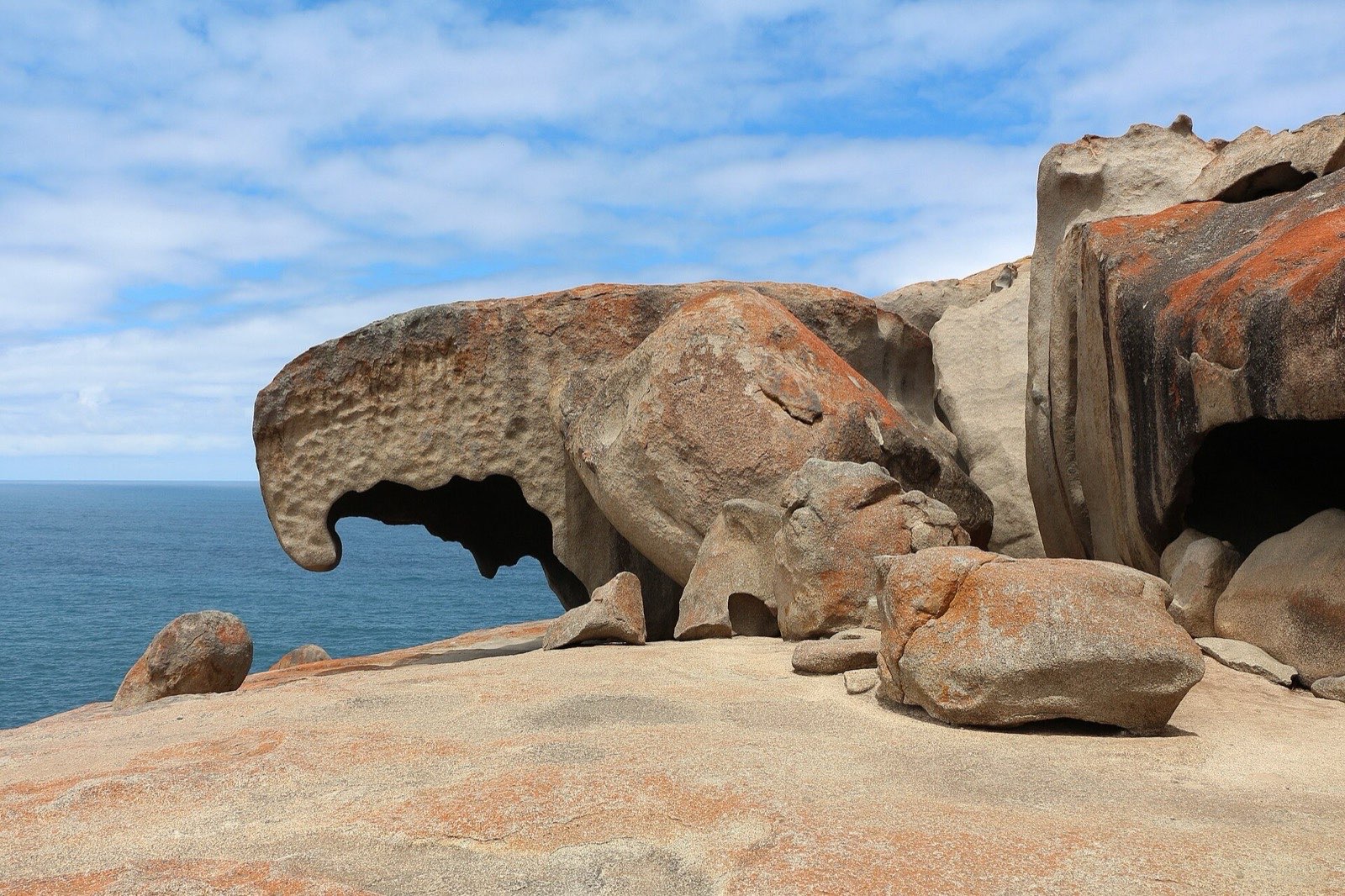 05
Remarkable Rocks
Granite hollowed by the Southern Ocean
Granite (mica, quartz, feldspar)
Cambro-Ordovician · ~500 Ma
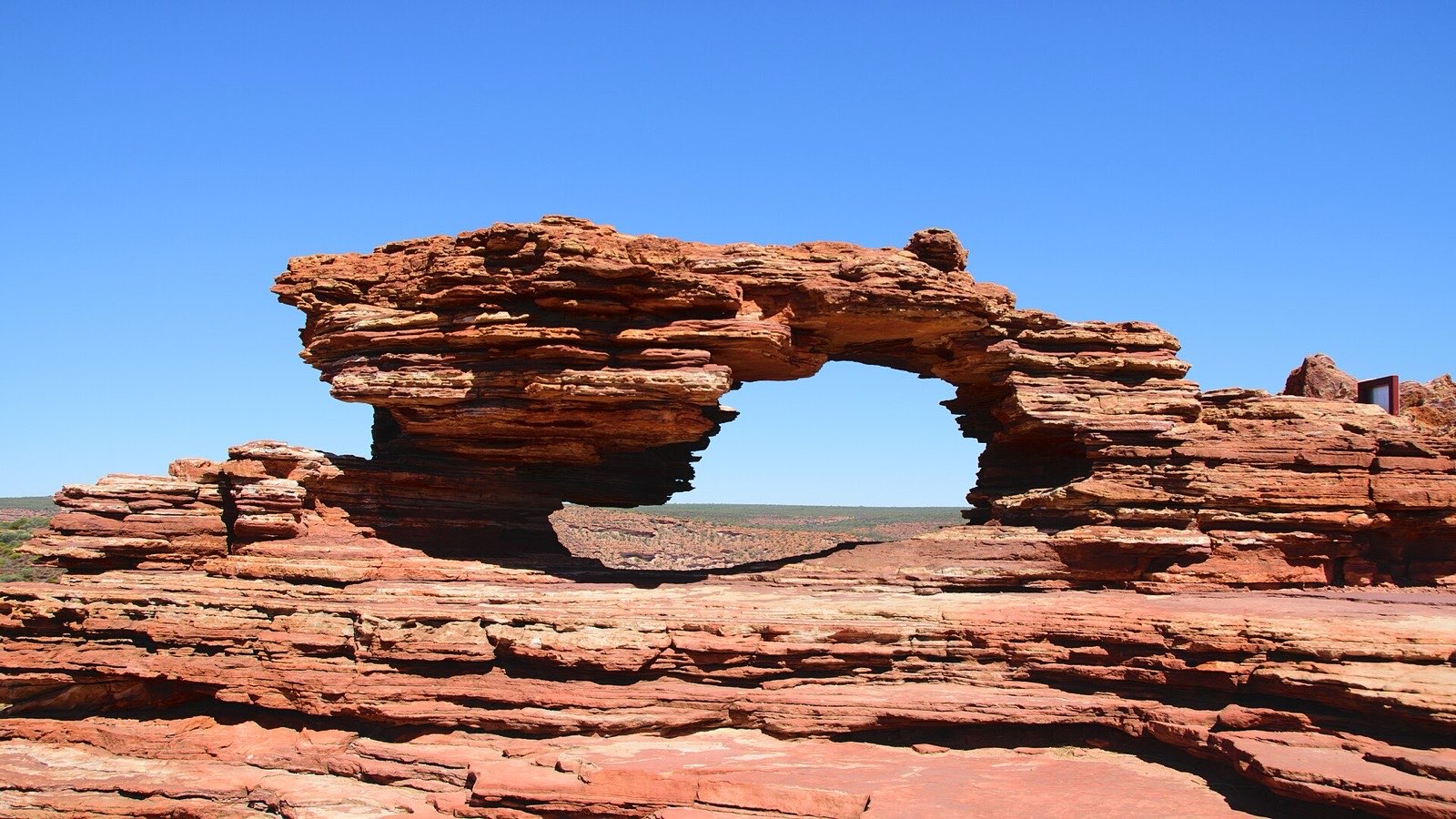 06
Nature's Window
Where animals first walked on land
Tumblagooda Sandstone
Silurian? · ~400–430 Ma
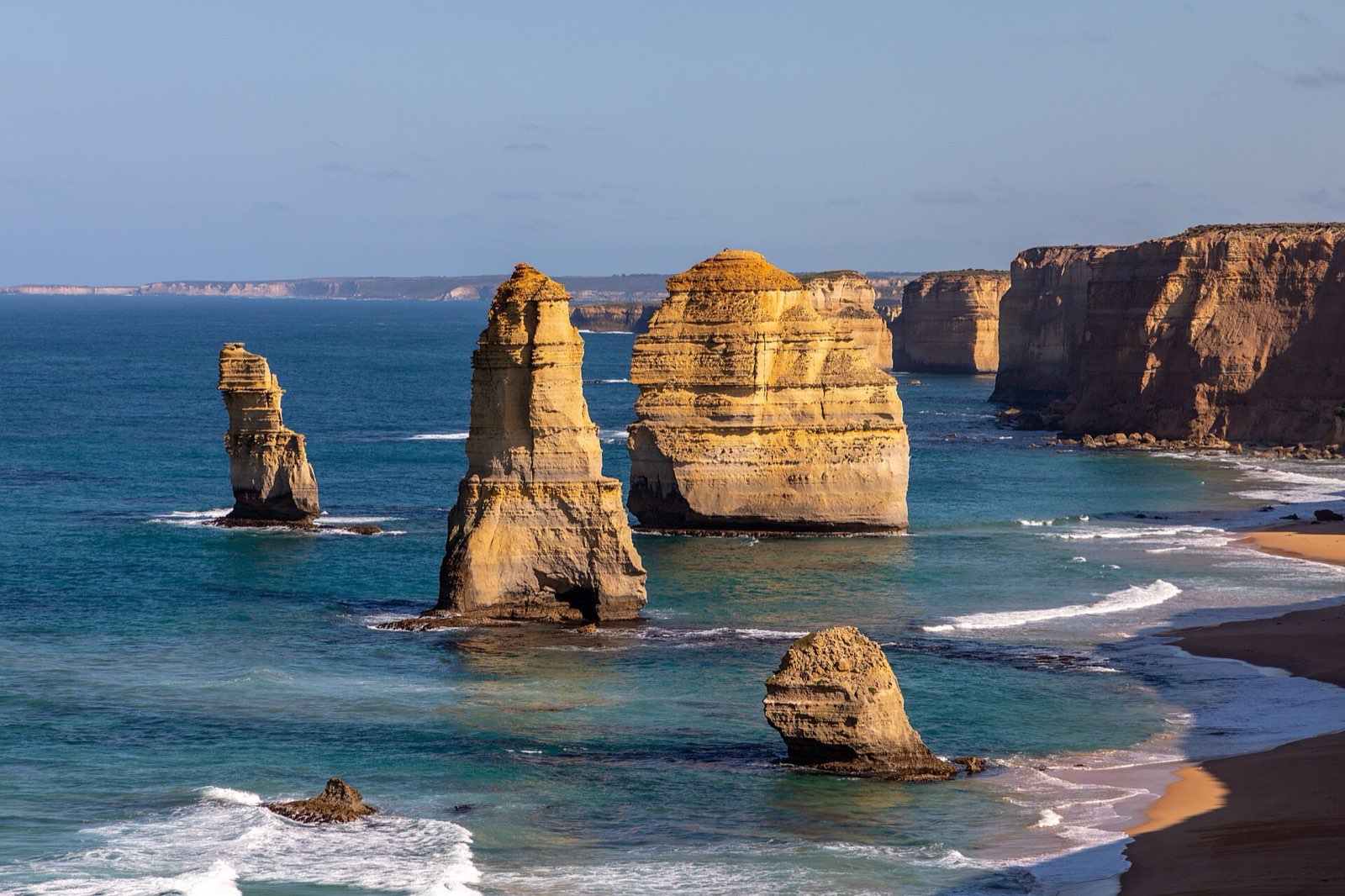 07
Twelve Apostles
Limestone stacks in retreat
Port Campbell Limestone
Mid–Late Miocene · ~15–5 Ma
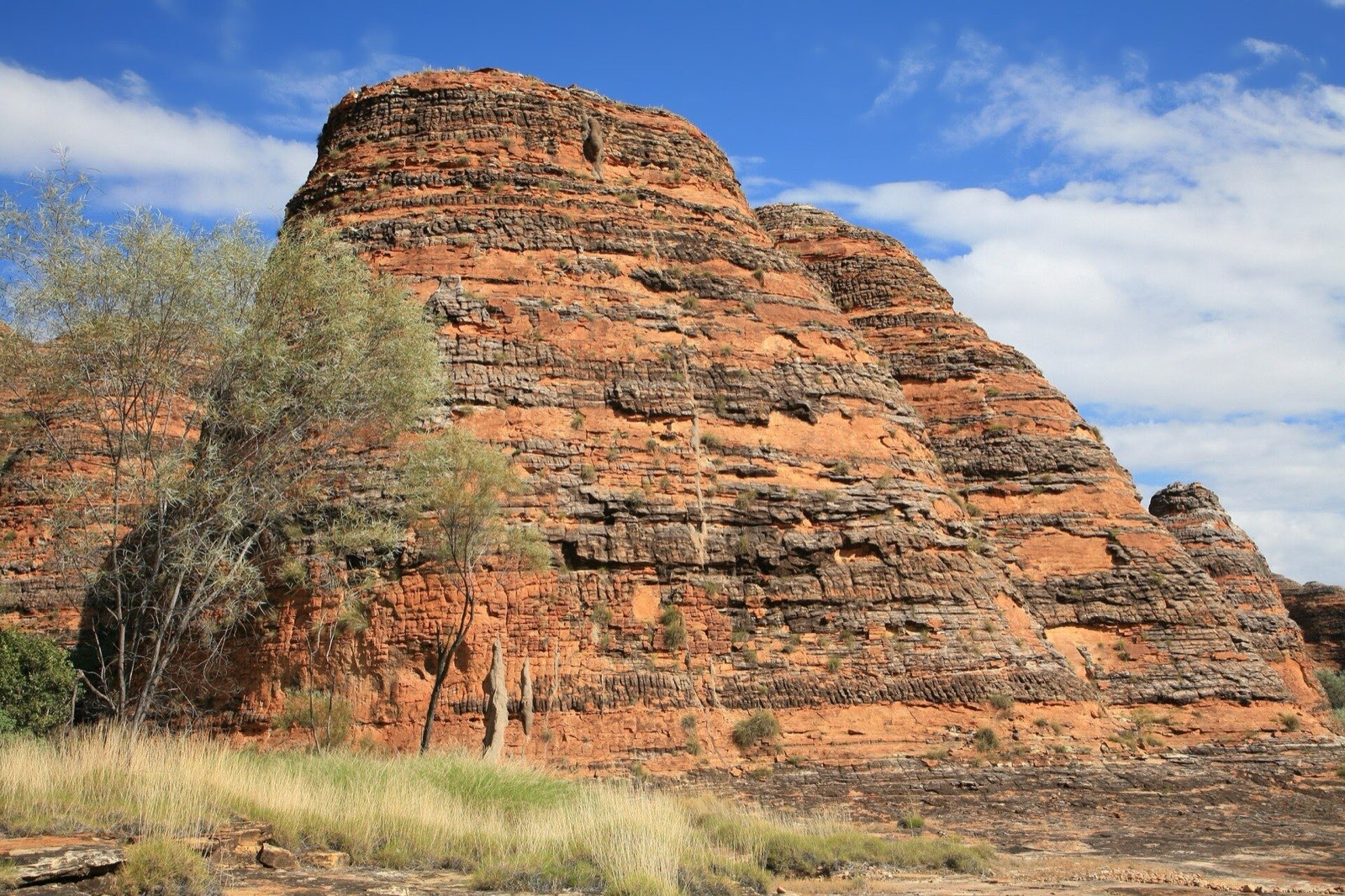 08
Bungle Bungle
Beehive domes painted by bacteria
Devonian sandstone
Devonian · eroded over ~20 Myr
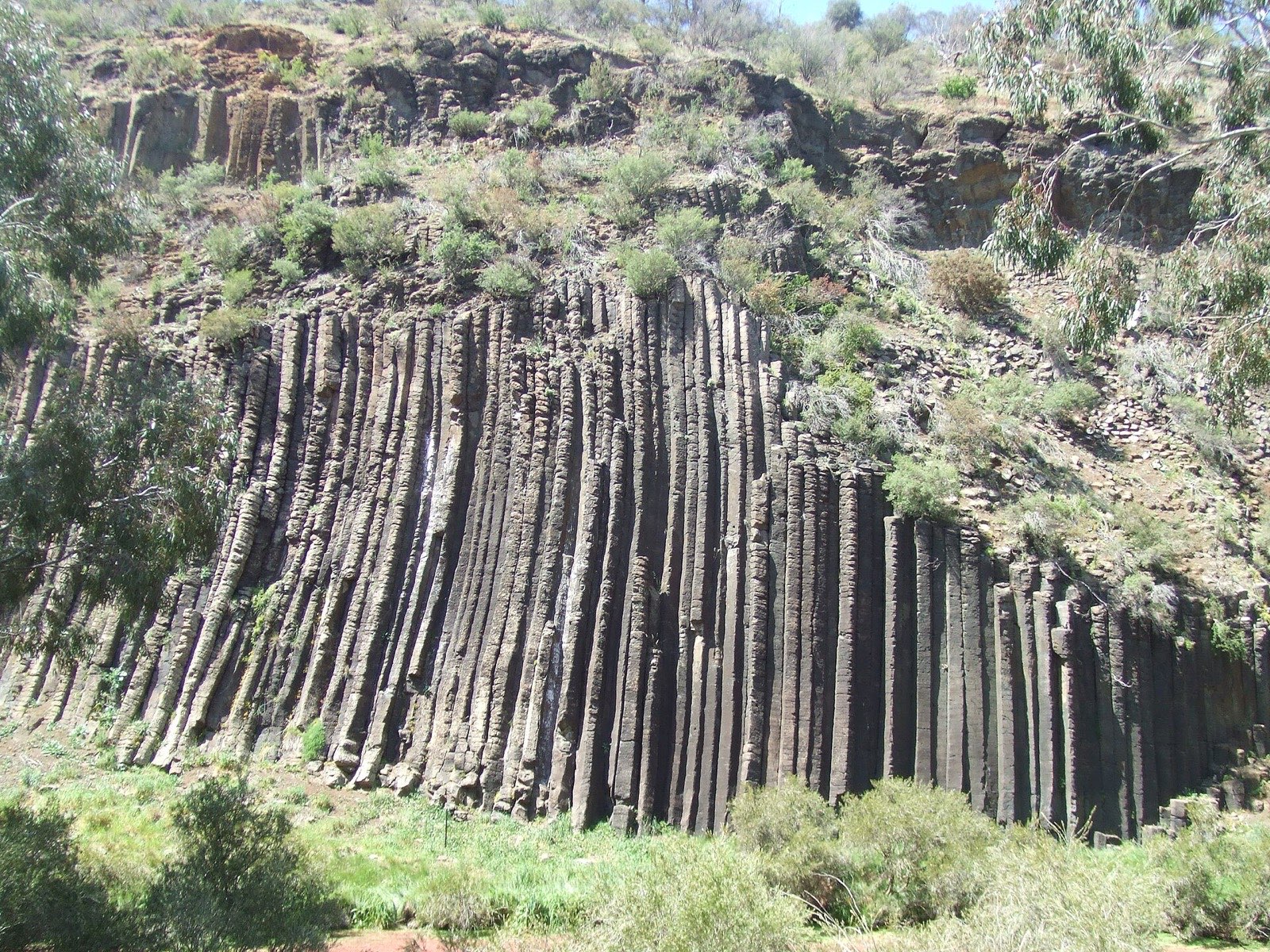 09
Organ Pipes
Lava that cracked into hexagons
Basalt (Newer Volcanics)
~2.5–2.8 Ma
Index / All formations
Formations under study
Nine field sites across the continent. Each is scanned, sectioned and simulated over one full season.
Research / Learn
Read the rocks
Free notes for students and teachers, built from the nine field sites above. Suited to lower-secondary Earth and space science — how rocks form, weather and change over deep time.
IGMA is a speculative concept project. The geology, places and sources are real; the institute is not.
A lesson in three moves
Step 1
Read a field site
Pick a case study. Each one explains how the formation was made, step by step, with photographs and sources.
Open the researchStep 2
Handle the rock
In the Rock Lab, turn, zoom and weather a 3D model of each formation with your hands in front of a webcam.
Enter the Rock LabStep 3
Play and quiz
Tafoni Roll introduces eight specimens in size order and asks a question at every size goal.
Play Tafoni Roll
The nine formations at a glance
| Formation | Process | Rock · age | Where |
|---|---|---|---|
| Tafoni | Cavernous (salt) weathering | Hawkesbury Sandstone · Middle Triassic · ~240 Ma | Bondi–Maroubra coast, Sydney NSW |
| Honeycomb Lace | Honeycomb (alveolar) weathering | Hawkesbury Sandstone · Middle Triassic · ~240 Ma | Royal National Park, NSW |
| Wave Rock | Flared slope (subsurface weathering) | Porphyritic monzogranite · Archaean · 2.63 Ga | Hyden, Western Australia |
| The Pinnacles | Karst dissolution | Tamala Limestone · Pleistocene · formed ≈ 102 ka | Nambung National Park, WA |
| Remarkable Rocks | Tafoni on granite corestones | Granite (mica, quartz, feldspar) · Cambro-Ordovician · ~500 Ma | Flinders Chase NP, Kangaroo Island SA |
| Nature's Window | Joint-guided erosion | Tumblagooda Sandstone · Silurian? · ~400–430 Ma | Kalbarri National Park, WA |
| Twelve Apostles | Coastal erosion (cave → arch → stack) | Port Campbell Limestone · Mid–Late Miocene · ~15–5 Ma | Port Campbell National Park, VIC |
| Bungle Bungle | Cone karst in sandstone | Devonian sandstone · Devonian · eroded over ~20 Myr | Purnululu National Park, WA |
| Organ Pipes | Columnar jointing | Basalt (Newer Volcanics) · ~2.5–2.8 Ma | Organ Pipes National Park, VIC |
Key words
- Weathering
- Rock breaking down where it sits — by salt, water, heat, plants or chemistry.
- Erosion
- Weathered material being carried away by water, wind or ice.
- Deposition
- Sediment settling out and building up in layers.
- Salt weathering
- Salt crystals growing in pores and cracks, prying grains apart.
- Tafoni
- Honeycomb-like hollows formed mainly by salt weathering in sheltered, damp spots.
- Differential erosion
- Softer rock wearing away faster than harder rock beside it, leaving shapes behind.
- Inselberg
- An isolated hill of hard rock rising from a plain, such as Wave Rock's parent, Hyden Rock.
- Sea stack
- A column of rock left standing offshore after waves wear back the cliff around it.
- Columnar jointing
- Regular, often six-sided columns that form as thick lava cools and contracts.
The Rock-dex · eight specimens from the game
Salt crystallisation
Halite
Salt crystals growing in rock pores pry grains apart — the engine behind tafoni.
See it: Salt lakes of WA and SA
Deposition
Sandstone pebble
Sand grains laid down by ancient rivers, buried and cemented into stone over millions of years.
See it: Hawkesbury Sandstone, Sydney
Wind abrasion
Mushroom rock
Wind-blown sand bounces low, so it sandblasts the base of a rock faster than its top.
See it: Arid inland outcrops
Crystal growth
Geode
A hollow in rock where mineral-rich water slowly lined the walls with crystals.
See it: Agate Creek, Queensland
Salt weathering
Tafoni boulder
Honeycomb hollows form where salt keeps crystallising in damp, sheltered spots.
See it: Remarkable Rocks, Kangaroo Island
Differential erosion
Hoodoo
A tough cap rock shields the softer rock below, leaving a tall balanced column.
See it: Coastal and desert stacks
Solution & deflation
The Pinnacles
Limestone pillars formed under the dunes, then exposed when wind blew the sand away.
See it: Nambung National Park, WA
Subsurface weathering
Wave Rock
2.7-billion-year-old granite, curved by weathering under the soil before it was exposed.
See it: Hyden, WA
Quiz · tap a question to reveal the answer
Q1What carves the honeycomb hollows called tafoni?
Salt crystals. Salt crystallising in pores flakes grains away, hollow by hollow.
Q2Why is a mushroom rock thinner at the bottom?
Wind-blown sand hits low. Sand grains bounce close to the ground, sandblasting the base fastest.
Q3What protects the top of a hoodoo?
A harder cap rock. A resistant cap shields the softer rock beneath from erosion.
Q4The Pinnacles in WA are made mostly of…
Limestone. They are limestone pillars uncovered as the dunes blew away.
Q5About how old is the granite of Wave Rock?
2.7 billion years. It is Archean granite, some of the oldest rock on Earth.
Q6What lines the inside of a geode?
Crystals. Mineral-rich water grew crystals inward from the walls.
Q7Wave Rock's curve formed mainly…
Under the soil. Moist soil weathered the granite's base before the ground was lowered.
Q8Sandstone is made of…
Cemented sand grains. Sand laid down by rivers or wind, buried and naturally cemented.
Classroom activities
Salt in a sponge (15 min)
Soak two sandstone offcuts or sugar cubes — one in salty water, one in fresh. Dry, repeat for a week and compare crumbs. Link the result to tafoni.
Map the nine sites (20 min)
Plot every IGMA field site on a map of Australia. Group them by process: salt, water, wind, cooling lava. What do the coastal sites share?
Deep-time line (25 min)
Order the formations by rock age on a 3-metre string (1 cm ≈ 10 million years). Where does Wave Rock's 2.7-billion-year-old granite end up?
Every case study lists its sources. For excursions, check land-manager guidance and Traditional Owner protocols for each site before visiting.